
 EN
EN
WHAT ARE YOU LOOKING FOR?
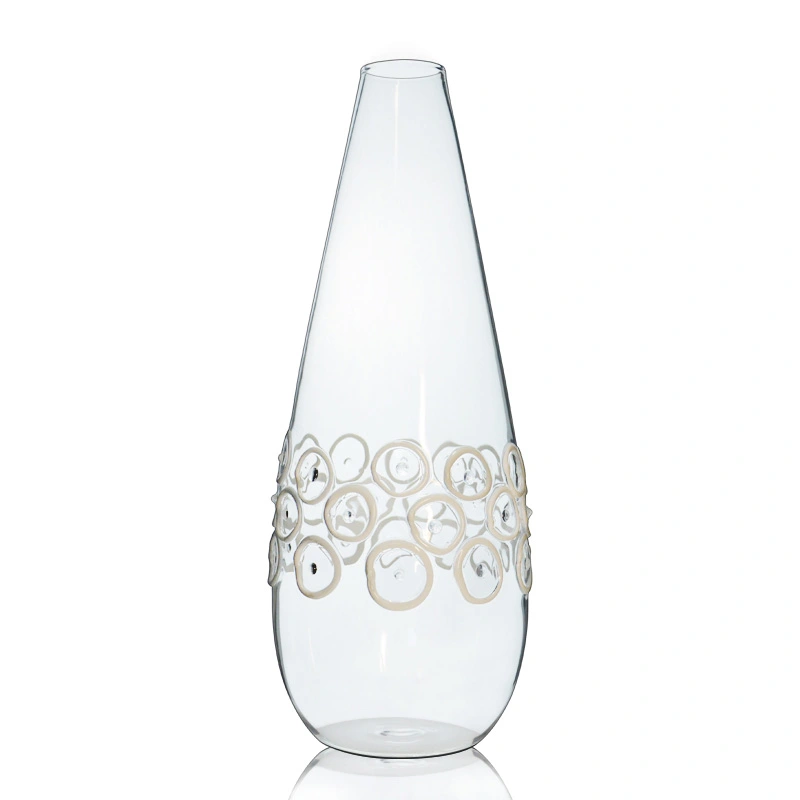
In today’s eco-conscious world, choosing the right reusable bottle is more than just a practical decision—it’s a statement about your lifestyle, values, and priorities. With options ranging from sleek borosilicate glass products to rugged stainless steel designs, the market offers something for everyone. At Topglass, we pride ourselves on crafting high-quality borosilicate glass water pitcher and other glassware that combine elegance with functionality. However, stainless steel bottles have carved out a significant niche, appealing to those who prioritize durability and insulation.
We’ll explore durability, safety, temperature retention, environmental impact, ease of cleaning, and cost to help you determine which reusable bottle suits your needs best. Whether you’re a frequent traveler, an outdoor enthusiast, or simply someone looking to reduce single-use plastic waste, this article will provide the insights you need.
Borosilicate glass stands out as a premium material in the world of reusable bottles. Unlike ordinary glass, it is infused with boron trioxide, a compound that enhances its thermal resistance and structural integrity. This unique composition allows borosilicate glass to withstand sudden temperature changes—such as pouring boiling water into a cold bottle—without cracking or shattering.
Topglass leverages this advanced material to create borosilicate glass products that are both aesthetically pleasing and highly functional. Originating from laboratory glassware due to its durability, borosilicate glass has transitioned into everyday use, making it a popular choice for eco-friendly hydration solutions.
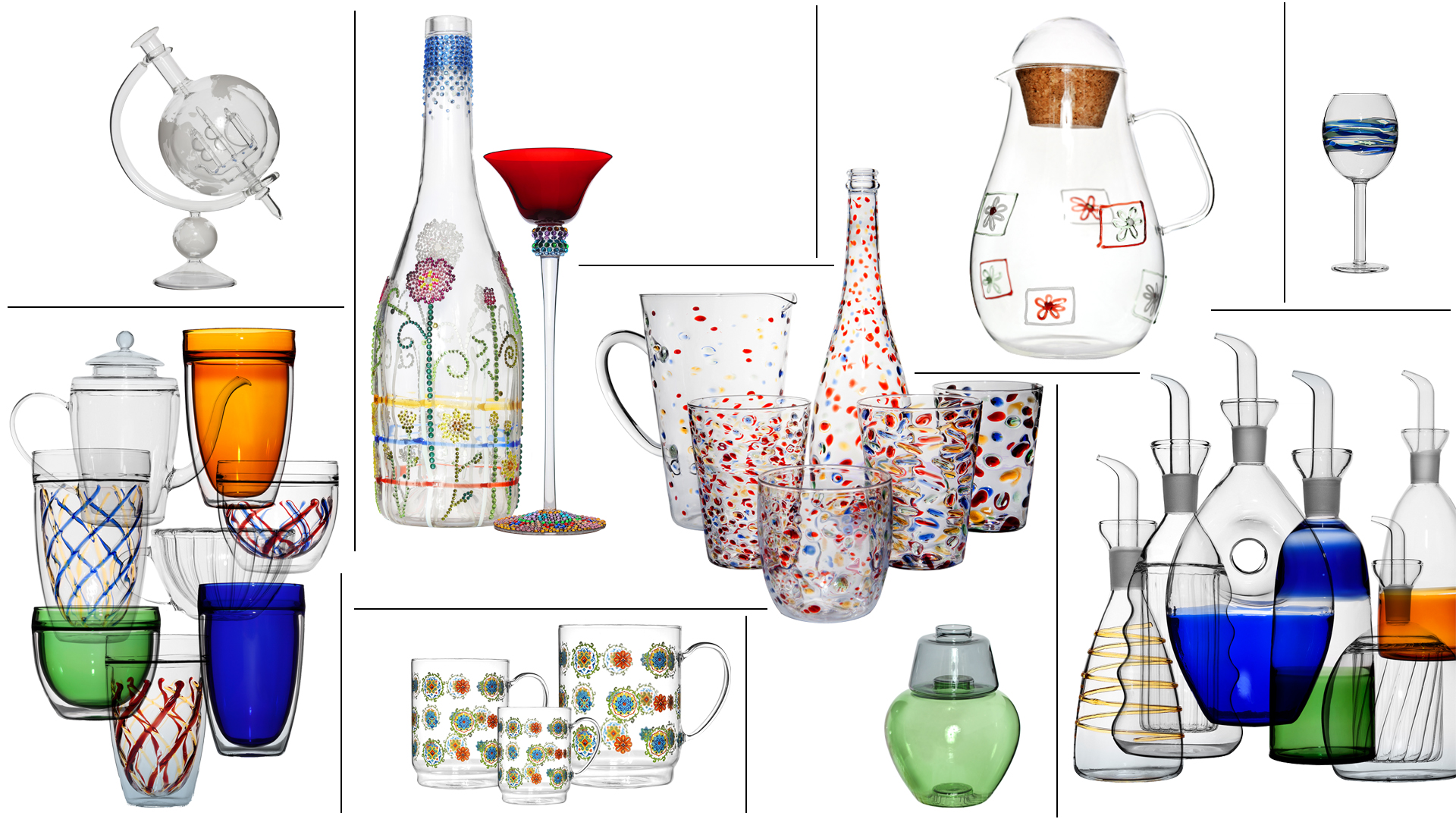
The advantages of borosilicate glassware are numerous, making it an appealing option for discerning consumers. First and foremost, its crystal-clear transparency offers a sophisticated look that enhances the visual appeal of your drink, whether it’s water, juice, or herbal tea. Unlike plastic or lower-quality materials, borosilicate glass is non-porous and chemically inert, meaning it doesn’t leach harmful substances like BPA, lead, or phthalates into your beverages.
This ensures that every sip remains pure and uncontaminated. Additionally, the thermal resistance of borosilicate glass water pitcher models from Topglass makes them versatile for both hot and cold liquids, catering to a wide range of preferences. Perhaps most importantly, borosilicate glass is fully recyclable, aligning with sustainable living goals and reducing your carbon footprint over time.
Despite its many benefits, borosilicate glass is not without its challenges. One of the primary drawbacks is its relative fragility compared to materials like stainless steel. While it is stronger than standard glass, a significant drop onto a hard surface can still result in breakage, though Topglass mitigates this with protective silicone sleeves.
Another consideration is weight—borosilicate glass products tend to be heavier than their stainless steel counterparts, which might be a drawback for those who prioritize portability, such as hikers or commuters. Finally, the upfront cost of high-quality borosilicate glassware, such as those crafted by Topglass, can be higher due to the specialized manufacturing process and premium materials involved.
Stainless steel bottles are engineered for resilience, making them a go-to choice for those with active lifestyles. Typically constructed from food-grade 18/8 stainless steel—a blend of 18% chromium and 8% nickel—this material offers exceptional corrosion resistance and strength. The robust nature of stainless steel allows these bottles to endure drops, dents, and rough handling without compromising their integrity.
This durability stems from the metal’s ability to form a protective oxide layer when exposed to oxygen, preventing rust and maintaining hygiene over time. For outdoor enthusiasts or parents with active children, stainless steel bottles represent a reliable, long-lasting investment.
The benefits of stainless steel bottles extend beyond their durability. One of the standout features is their lightweight design, which makes them easier to carry compared to borosilicate glass products. Many stainless steel bottles feature double-wall insulation, a technology that significantly enhances temperature retention, keeping drinks hot for up to 12 hours or cold for up to 24 hours.
This makes them ideal for long commutes, camping trips, or any situation where access to fresh beverages might be limited. Additionally, stainless steel is highly versatile, available in a range of sizes and designs to suit different needs, from sleek urban styles to rugged outdoor models.
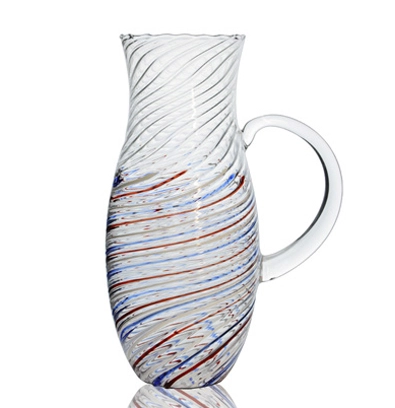
However, stainless steel bottles are not perfect for everyone. One common complaint is the potential for a metallic taste, particularly with lower-quality or older bottles where the interior coating may wear down over time. Unlike the transparent borosilicate glass water pitcher, stainless steel bottles are opaque, which can make it difficult to check the contents or monitor liquid levels without opening them.
Furthermore, the environmental impact of stainless steel production is a concern—mining and processing the metal require significant energy and resources, resulting in a higher carbon footprint compared to glass. These factors may influence your decision depending on your priorities.
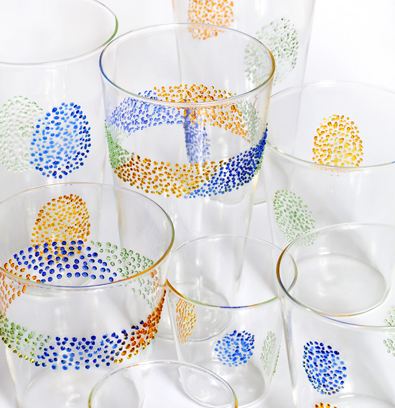
When it comes to break resistance, stainless steel clearly outshines borosilicate glass. The metal’s robust construction allows it to withstand drops and impacts that would shatter even the toughest glass. However, borosilicate glassware from Topglass often includes protective features like silicone sleeves or protective casings, which can reduce the risk of breakage and extend the bottle’s lifespan.
For users who frequently drop their bottles or engage in high-impact activities, stainless steel remains the safer bet, while borosilicate glass products cater to those willing to take extra care.
Safety is a top priority for any reusable bottle, and both materials pass muster when sourced from reputable manufacturers. Borosilicate glass is inherently safe due to its inert nature—it doesn’t react with liquids or release harmful chemicals, ensuring that your water tastes clean and pure. Topglass bottles are free from BPA, lead, and other toxins, making them a healthy choice for daily use. High-quality stainless steel bottles, particularly those made from 18/8 grade steel, are also safe and non-toxic, provided they are free from inferior coatings or manufacturing defects. Always opt for trusted brands to avoid potential risks with lower-grade materials.
Stainless steel bottles excel in temperature retention, thanks to their double-wall vacuum insulation technology. This design minimizes heat transfer, allowing hot beverages to stay warm for up to 12 hours and cold drinks to remain chilled for up to 24 hours. This makes stainless steel an excellent choice for long workdays, outdoor adventures, or extreme weather conditions where maintaining drink temperature is crucial. Brands often highlight these features, making stainless steel a favorite among those who need reliable insulation.
In contrast, borosilicate glass is not naturally insulating. Without additional features, it offers only short-term temperature retention, making it less suitable for extended periods. However, Topglass enhances its borosilicate glass water pitcher and bottles with optional insulated sleeves or cases, which can improve performance for a few hours. For users who prioritize aesthetics and purity over long-term insulation, borosilicate glassware remains a viable option with the right accessories.
Sustainability is a key consideration in the reusable bottle market. Borosilicate glass has a slight edge here due to its recyclability and lower production energy requirements. Glass can be melted down and reformed indefinitely without losing quality, and its production emits fewer greenhouse gases compared to metal extraction. Topglass emphasizes this eco-friendly aspect, designing borosilicate glass products for longevity to reduce waste. Stainless steel, while recyclable, involves energy-intensive mining and processing, giving it a higher initial environmental cost. Choosing a durable bottle from either material and using it for years can maximize its eco-benefits.
Maintaining hygiene is essential for any reusable bottle. Borosilicate glassware, including Topglass models, is non-porous and resistant to stains and odors, making it easy to clean with soap and water or a dishwasher. Its smooth surface prevents bacterial buildup, ensuring a fresh taste with every use. Stainless steel bottles, while durable, can be more challenging to clean, especially in narrow-neck designs. Residue or odors may linger if not scrubbed thoroughly with a bottle brush. Regular maintenance is key to keeping both materials in top condition.
Cost is a significant factor in choosing a reusable bottle. Borosilicate glass water pitcher and other borosilicate glass products from Topglass tend to have a higher upfront price due to the specialized manufacturing and premium materials involved. Stainless steel bottles vary widely—basic models are affordable, but insulated, high-end versions can match or exceed the cost of glass. Investing in quality ensures long-term satisfaction, regardless of material.
Long-term value depends on your usage. Borosilicate glassware offers excellent value for eco-conscious users who value purity and aesthetics, especially with Topglass’s durable designs. Stainless steel provides better value for those needing ruggedness and insulation, such as outdoor enthusiasts. Both can last for years with proper care, making the decision a balance of lifestyle and priorities.