
 EN
EN
WHAT ARE YOU LOOKING FOR?
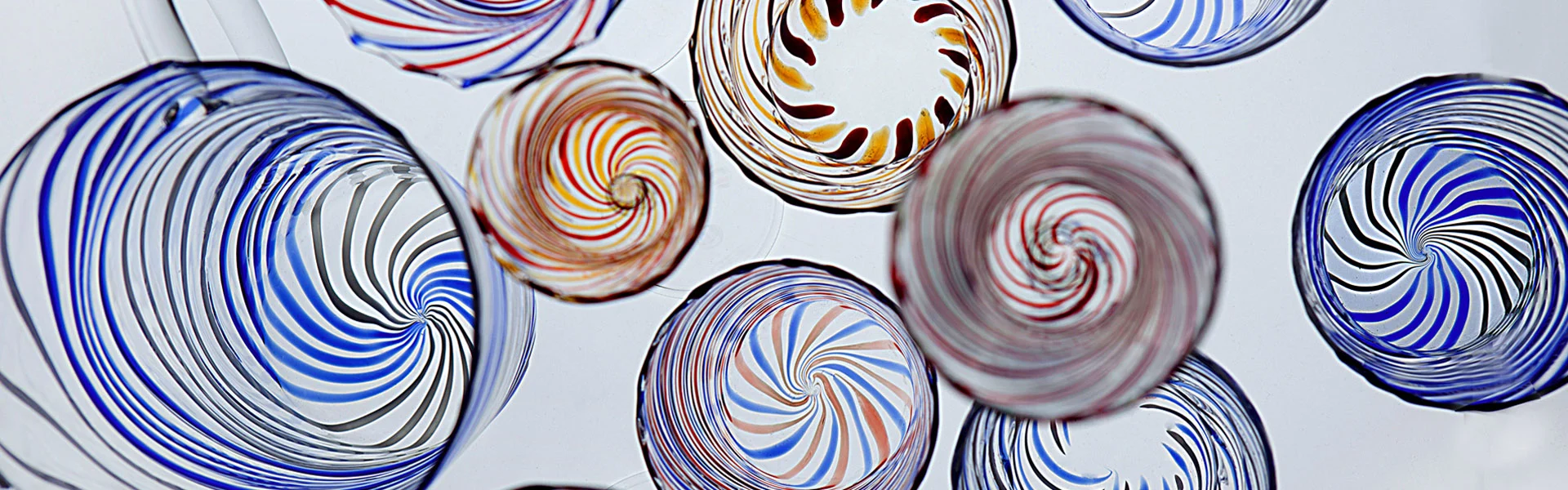
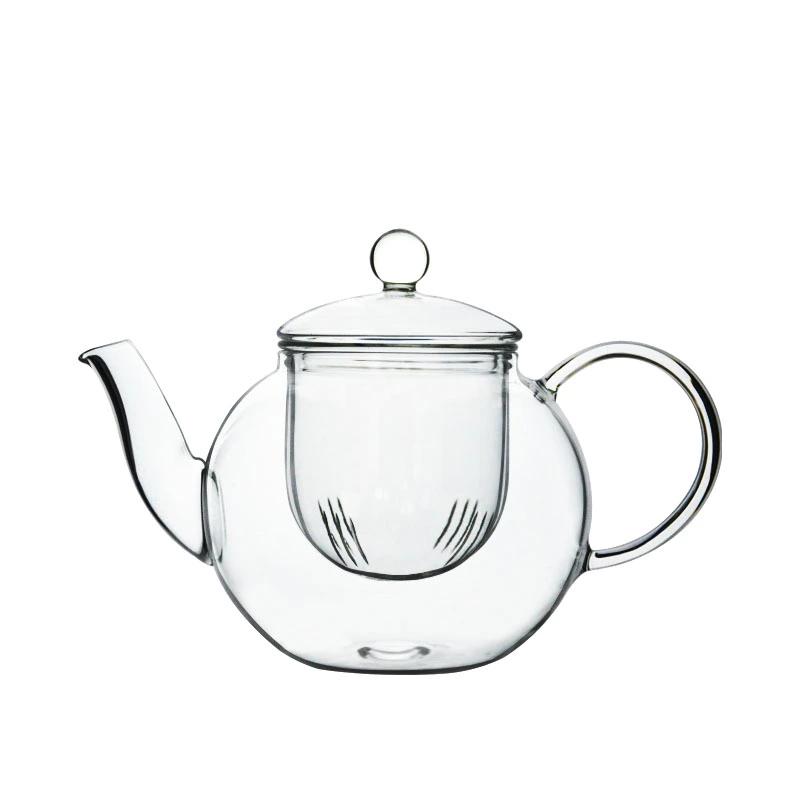
Different glass kettles may look very similar in product images, but the composition of the glass can affect the product's temperature resistance, weight, production method, cost, and market positioning.
The two common choices on the market are borosilicate glass and soda-lime glass. There is no absolute advantage or disadvantage between the two materials; the key lies in the specific product requirements. Buyers developing kettles for hot and cold drinks may place more emphasis on thermal shock resistance, while basic tableware for the mass market may focus more on production scale and unit cost.
Understanding the differences between the two materials can help brands make choices based on actual needs, rather than simply using vague labels like "high-end glass" or "ordinary glass."
Borosilicate glass is mainly composed of silica, boron-containing components, and a small amount of other ingredients. Its formulation gives the material a low thermal expansion coefficient, meaning its size changes little when heated or cooled.
Low thermal expansion, good chemical stability, and the ability to withstand thermal loads are important characteristics of borosilicate glass. Relevant data also shows that the expansion of borosilicate glass when heated is about one-third that of ordinary soda-lime glass.
For kettle products, these characteristics make it suitable for use scenarios involving temperature changes, such as tea, warm water, and iced drinks. The specific performance of the product still depends on the glass grade, wall thickness design, annealing process, processing quality, and usage instructions.
Soda-lime glass is the most common type of commercial glass, widely used in bottles, window glass, and tableware. Its main components usually include silica, sodium oxide, and calcium oxide.
This glass is widely supplied and suitable for large-scale, efficient production. For kettles mainly used for room temperature or cold drinks, soda-lime glass can achieve a reasonable balance between appearance, function, and cost.
Some products also use tempered soda-lime glass to increase mechanical strength. However, tempering does not turn it into borosilicate glass, and actual performance should still be evaluated based on specific materials and manufacturing processes.
When different areas of a glass product expand or contract to different degrees due to sudden temperature changes, internal stress is formed, which can lead to cracking or damage in severe cases.
Borosilicate glass has a lower thermal expansion coefficient, so it generally has better thermal shock resistance. Some technical data shows that the thermal expansion coefficient of borosilicate glass is about one-third that of soda-lime glass.
Therefore, for product lines that need to hold both hot and cold beverages, borosilicate glass kettles are usually a more suitable starting point.
However, "heat-resistant" does not mean "unbreakable." Extreme temperature differences, localized heating, scratches, notches, or impacts can still cause product damage. Clear usage and care instructions should be provided regardless of the material chosen.
Borosilicate glass products can usually be designed with thinner kettle walls, resulting in a lightweight, delicate appearance. The material density of some borosilicate glass is also lower than that of soda-lime glass.
However, in actual glassware, product weight depends more on size and wall thickness, not just material density. A thick-walled borosilicate glass kettle can still be heavier than a thin-walled soda-lime glass product.
Therefore, buyers should compare actual finished product samples rather than relying solely on material descriptions. The kettle should maintain good balance when full, and the handle should have a comfortable load-bearing performance.
Both materials can achieve good transparency, but the actual visual effect is influenced by the glass composition, iron content, product thickness, and production method.
Borosilicate glass is often used in the following designs:
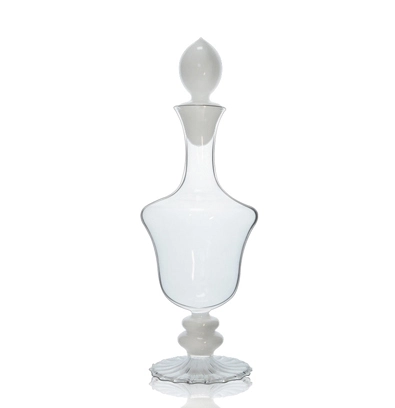
Lightweight transparent body
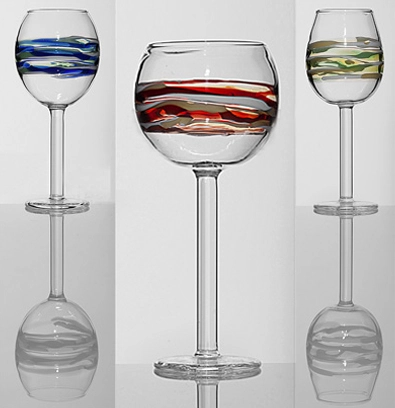
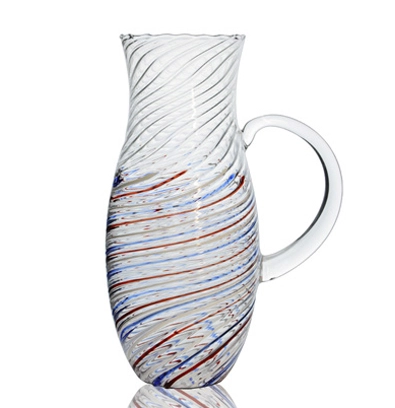
Handmade colored handles
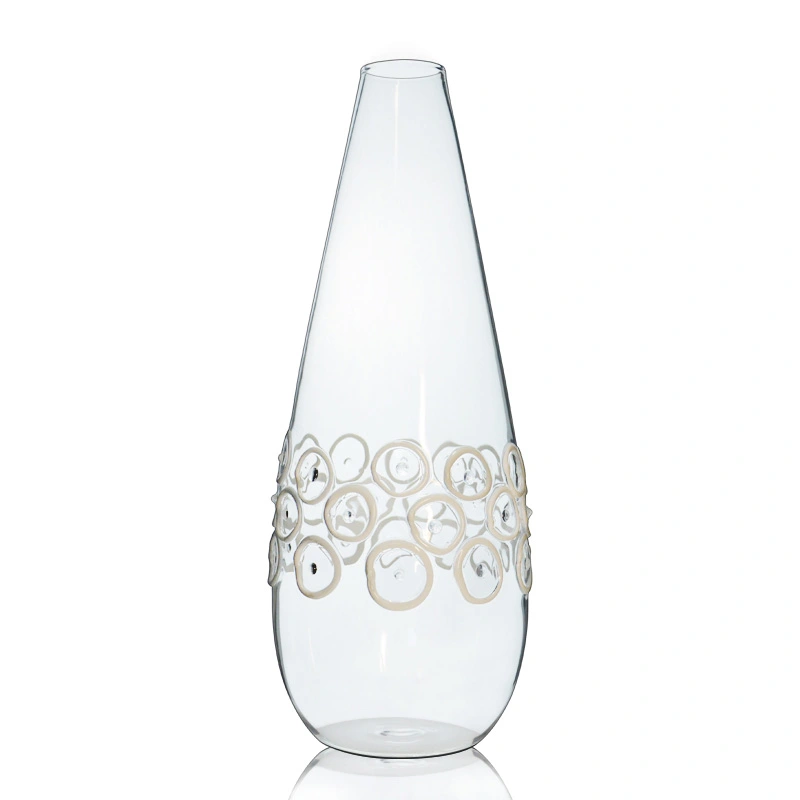
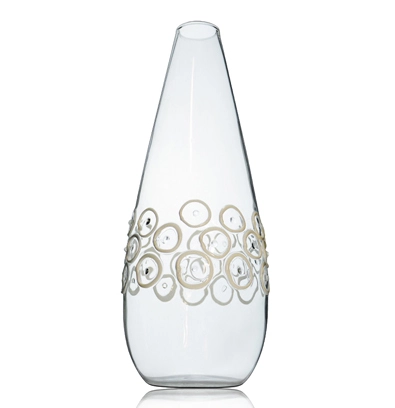
Decorative glass details
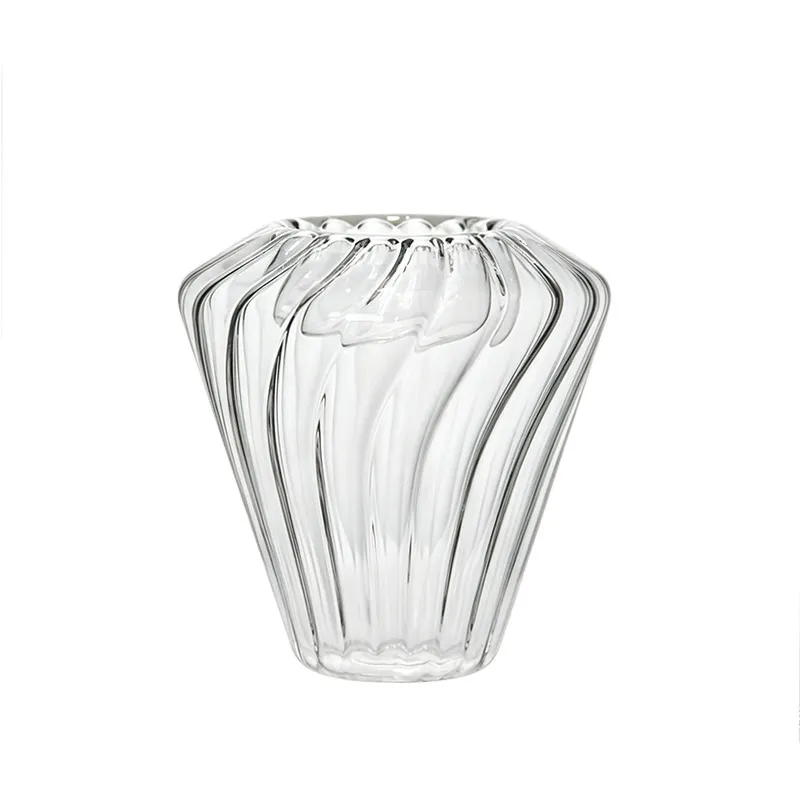
Modern minimalist shapes
Products that emphasize the display effect of tea, fruit, or beverages
Soda-lime glass is suitable for heavier traditional tableware, molded shapes, embossed surfaces, and mass-standardized products.
The right choice depends on the design language of the product line, not just transparency.
Soda-lime glass has a relatively low processing temperature, is generally easier to produce, and consumes relatively less energy. It is widely used for automated large-scale production, offering competitive prices for large-volume standard products.
Borosilicate glass requires higher processing temperatures and higher requirements for forming control. Handmade shaping, complex colored decorations, and small-batch customization can also increase labor and prototyping costs.
However, the unit price should be evaluated in conjunction with market positioning. If the product targets high-end kitchenware, tea sets, gifts, or lifestyle channels, higher production costs may be justified.
The lowest production unit price does not necessarily mean the lowest commercial risk. Buyers should also consider defect rates, packaging, breakage rates, brand differentiation, and whether the product can accurately meet the intended use.
For kettles that need to hold hot tea, warm water, or experience significant temperature changes, borosilicate glass is usually a more suitable material.
Borosilicate glass kettles can also be used for iced tea, fruit water, juice, and table beverages, allowing the same product to cover multiple drink scenarios.
Soda-lime glass can be used for:
Chilled juices
Cold water
Room temperature beverages
Decorative table service
Price-sensitive product lines
Product packaging and promotional materials should accurately state the verified usage conditions and not exaggerate material performance.
Both types of glass can support customization of color, printing, decals, logos, and packaging, but specific processes may differ depending on the forming method.
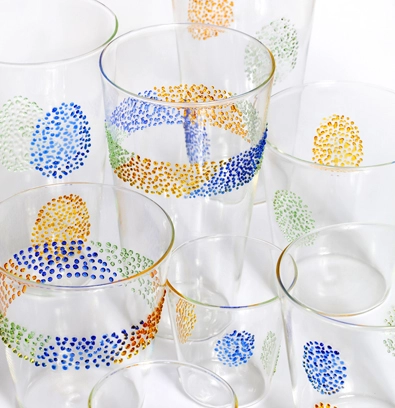
Borosilicate glass is particularly suitable for handmade colored decorations, such as colored handles, glass dots, internal decorative structures, and sculptural details. These designs can help a brand achieve recognition without relying solely on printed logos.
If buyers need highly standardized molded shapes or very large production quantities, soda-lime glass may be more suitable.
Before selecting materials, buyers should clarify their main priorities:
Lower product unit price
Suitability for hot and cold drinks
Lightweight appearance
Handcrafted product features
Automated production consistency
High-end design differentiation
For high-end kitchenware, tea accessories, gift series, boutique home goods, and hot and cold drink products, borosilicate glass generally has a stronger market positioning advantage.
For large-volume promotional items, basic cold drink kettles, and price-sensitive tableware, soda-lime glass may better meet commercial needs.
Hotel and restaurant procurement requires separate evaluation. Lightweight borosilicate glass kettles can enhance table presentation, but buyers also need to consider high-frequency use, cleaning methods, replenishment costs, and staff training.
Retailers should not only evaluate material performance but also determine whether design, packaging, and pricing meet the expectations of target consumers.
First, clarify the actual usage scenarios:
What beverages will the kettle mainly hold?
Will the product undergo significant temperature changes?
Is a lightweight design important?
What is the required final retail price level?
Does the brand need handcrafted features or a highly standardized appearance?
What is the expected purchase quantity?
What decoration and packaging solutions are needed?
Afterward, suppliers can develop or recommend samples based on these conditions and test pouring, balance, appearance, cleaning, and packaging effects.
In the comparison between borosilicate glass kettles and ordinary glass kettles, borosilicate glass usually has better thermal shock resistance and is suitable for developing lightweight, design-oriented products that are suitable for various beverages. Soda-lime glass is widely available and suitable for standardized, large-scale, and cost-sensitive applications.
The final choice should depend on product line positioning, target price, drink conditions, design requirements, and expected order quantity. The earlier buyers clarify these factors, the easier it is to select materials that balance functional performance and commercial positioning.